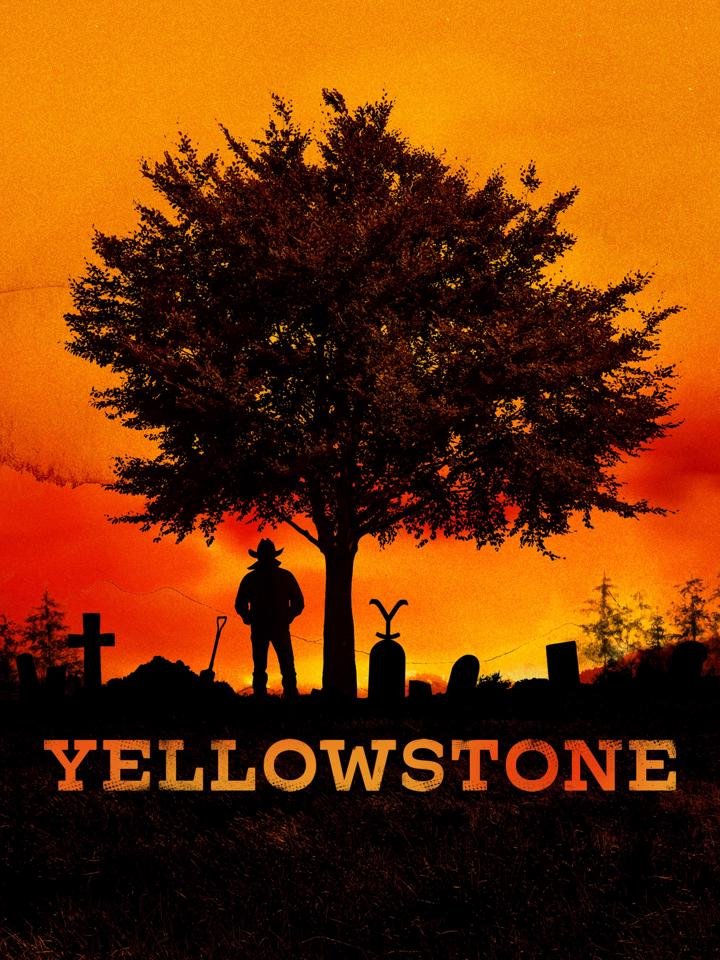
Land is the shared argument
The Yellowstone Dutton Ranch is more than a backdrop for a family drama. It is property, a workplace, an inheritance and the basis of influence, so a dispute about its future can also become a dispute about identity. The family may agree that the ranch matters while disagreeing about what preserving it requires or what they personally owe to it.
Other people have their own interests in the same land and its surroundings. Developers, political institutions and the neighbouring Broken Rock community create competing claims that cannot be reduced to a single household's wishes. The setting gives the story tangible stakes: an alliance or a family decision can affect who controls a place and who gets to define its future.
The Duttons and the wider ensemble
Kevin Costner plays John Dutton, the family patriarch. Kelly Reilly plays Beth, Luke Grimes plays Kayce and Wes Bentley plays Jamie, while Cole Hauser portrays Rip Wheeler. Kelsey Asbille plays Monica and Gil Birmingham plays Thomas Rainwater. Their different relationships to the ranch provide distinct ways into the larger contest.
Taylor Sheridan and John Linson created the contemporary western, which originally ran from 2018 to 2024. Its setting is modern Montana rather than the historical frontier. The ranch's traditions operate alongside current forms of money, political influence and development, making continuity itself something people have to fight over.
Starting with the original series
For a first visit to the Yellowstone world, the original series in episode order is a straightforward choice. Related programmes explore other generations or continue particular characters, but they are separate titles with their own episode lists. There is no need to interrupt the Duttons' main story to follow every branch immediately.
This may suit viewers who want family loyalty tied to material interests. A declaration of duty can be sincere and still give someone power over another person. As you watch, ask what the ranch means to each character: security, belonging, status, a burden or a future they did not choose. Those different meanings help explain why protecting the same place can drive the family in conflicting directions.