An invitation to observe, with conditions to consider
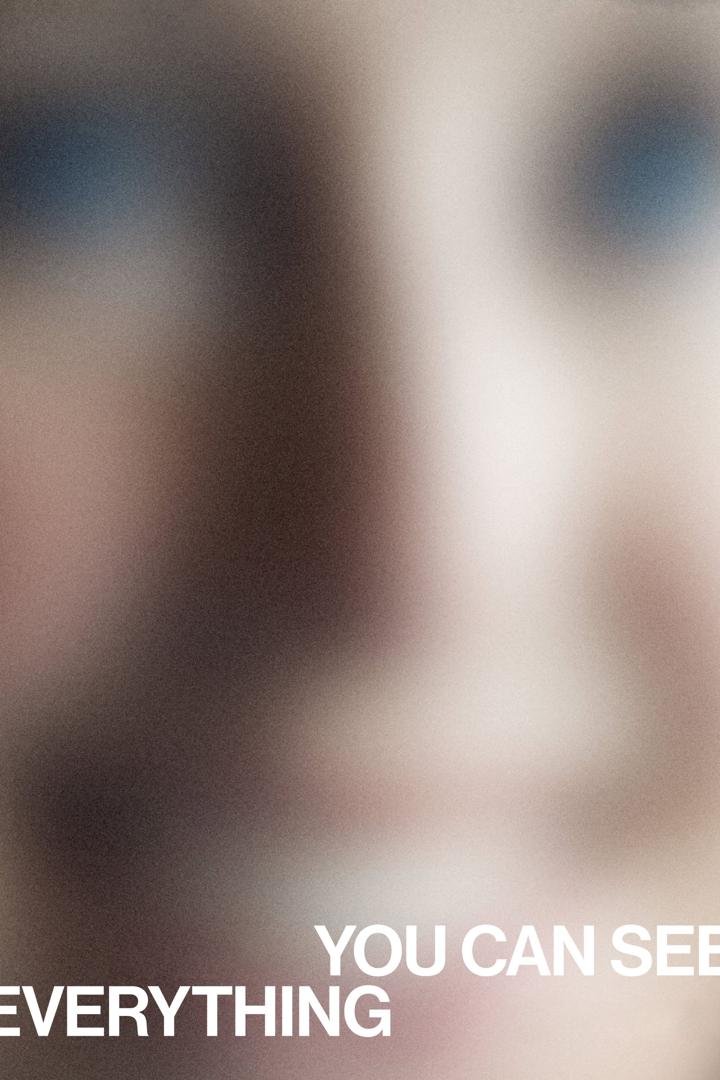
You Can See Everything begins shortly before Elizabeth Holmes enters prison, when she invites a film crew into her life. A24 describes the project as developing from that initial access into a three-year undertaking. The starting situation immediately raises a question about documentary access: a subject can make herself visible while still hoping to influence how that visibility will be understood.
That makes the relationship between subject and filmmakers part of the interest. The camera records what it is able to encounter, but the invitation, the timing and the act of filming all belong to the situation being recorded. Following those conditions can be more revealing than treating access as a simple guarantee that every relevant truth is now available.
A documentary by Nathan Fielder and Lance Oppenheim
Fielder and Oppenheim share directing credit. Holmes appears as the documentary subject, so this is distinct from a drama in which an actor portrays her. The credited producers include the directors, Tatiana Bears, Maggie Ambrose and Jack Davis, and A24 distributes the film.
The public description deliberately leaves much of the project's later development unexplained. That is a reasonable boundary to preserve for a first-time viewer. Knowing the initial agreement and the extended period of production is enough to understand the premise without turning the guide into a sequence of revelations about where the documentary eventually goes.
Questions to bring to an extended viewing
The film runs roughly three hours and carries a US R classification for language and graphic nudity. Set aside more time than for an ordinary feature, especially if the attraction is discussing the relationship between filmmaking, image management and accountability afterwards.
A useful question is who appears to control a scene at any given moment: the person being filmed, the person asking questions or the eventual edit. Another concerns what remains outside the frame despite the promise of extensive access. These are questions about documentary form, not conclusions about any individual's motives. Keeping that distinction allows the film's methods to be considered alongside the claims it presents.