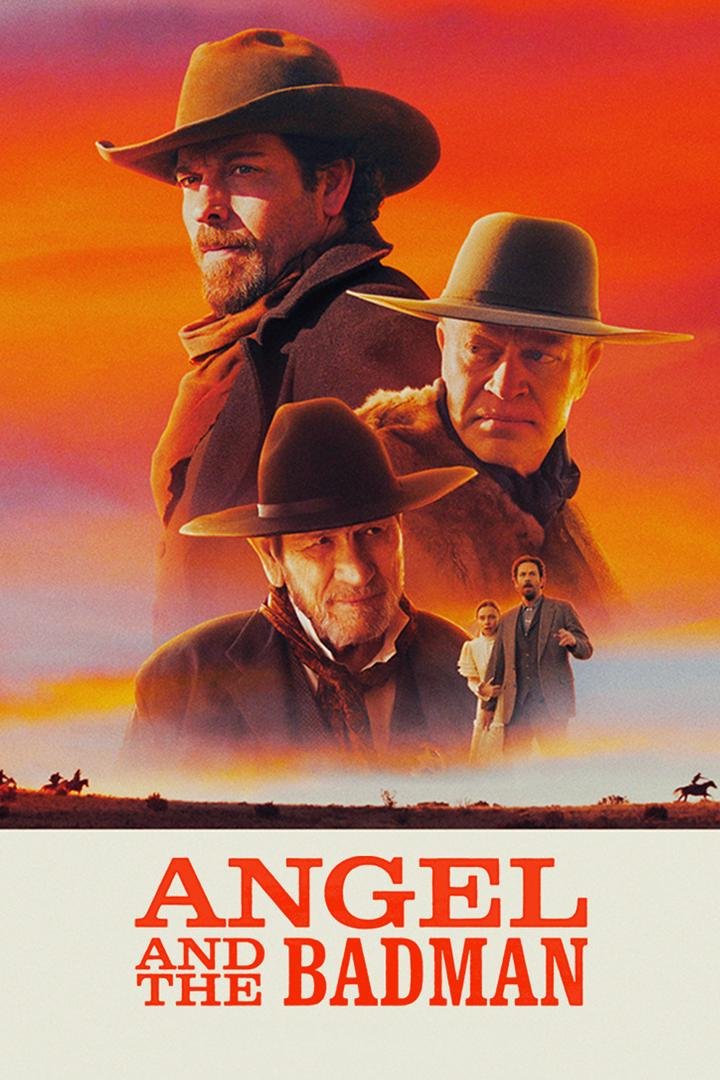
A refuge that asks something of its guest
Quirt Evans arrives wounded on a ranch where he receives help instead of the treatment his life as an outlaw has taught him to expect. Penny's kindness creates the possibility of a different future, but accepting shelter is not the same as changing the habits that brought him there. The ranch becomes a place where those two possibilities meet.
The pressure comes from both directions. A marshal is pursuing Quirt, and an outlaw gang threatens the people giving him refuge. He cannot make the past disappear simply by deciding to behave differently. The Western premise therefore turns a personal wish for change into a practical question about what he will do when violence again seems like the available answer.
The central characters and the filmmakers
Zachary Levi plays Quirt, Meg Fraser plays Penny, Tommy Lee Jones plays Marshal McClintock and Neal McDonough plays Laredo. Julio Quintana directs, with screenplay credits for Jaime Hernandez, Kevin M. Townsend and Christopher Tuffin. The 2026 title should be identified with its year when searching, because the name is also associated with earlier films.
The romantic element is part of the moral situation: another person's care offers Quirt a relationship to protect, while also exposing that person to the consequences of his former life. For first-time viewers, that conflict is more useful preparation than a complete account of the pursuit or the eventual confrontation.
A Western about changing course
The US PG-13 classification includes violence, bloody images, language and suggestive material. Consider it for a group interested in redemption stories within a Western setting. The possibility of mercy is central, but the premise still depends on danger rather than on a wholly gentle picture of ranch life.
After watching, ask whether being offered a second chance creates an obligation to the person offering it. Another question is how a story can distinguish protecting others from repeating familiar violence. Those tensions give the film a conversation beyond whether its outlaw is good or bad; the interest lies in what change might require from him.