One outbreak seen from several positions
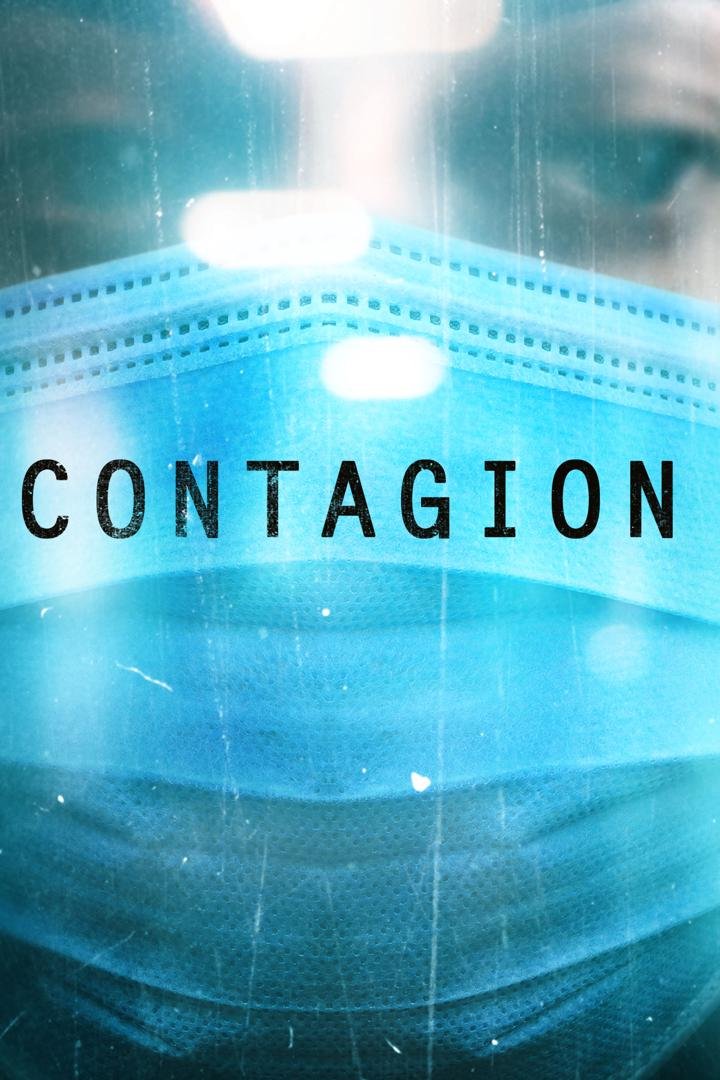
Contagion follows an unfamiliar illness as its effects move from individual households into institutions and across borders. A family experiences a sudden loss, scientists face an urgent problem with incomplete information, and public officials must communicate while understanding is still developing. No one character has access to the entire situation.
That structure is the most useful way into the film. Instead of looking for one protagonist who will solve every part of the crisis, follow how the different perspectives connect. A decision made in a laboratory, a public statement or a rumour can have consequences elsewhere, including for people who never see how the original decision was reached.
The ensemble and the filmmakers
Matt Damon plays Mitch Emhoff, Gwyneth Paltrow plays Beth Emhoff, Marion Cotillard plays Dr. Leonora Orantes and Laurence Fishburne plays Dr. Ellis Cheever. Kate Winslet and Jude Law are also in the ensemble, with Law playing blogger Alan Krumwiede. Steven Soderbergh directs from Scott Z. Burns's screenplay.
The film was released in 2011 and presents a fictional outbreak. Its events should not be treated as a literal account of a later real-world pandemic, a prediction or a source of current medical instructions. The relevant viewing interest here is how a thriller organises a complex emergency across several human and institutional experiences.
For a discussion about information and trust
The US PG-13 classification cites disturbing content and language. Illness, death and disruption are central subjects, so it may feel more immediate than an ordinary disaster film for some viewers. The running time is one hour and forty-six minutes.
Afterwards, consider the difference between communicating uncertainty and appearing indecisive. Another useful question is why an explanation can become attractive even when its source is unreliable. Those are questions about the film's treatment of trust and fear; assessing real medical claims requires appropriate contemporary evidence. Keeping the fictional and factual contexts separate makes it possible to discuss the drama without mistaking it for guidance about a current health situation.