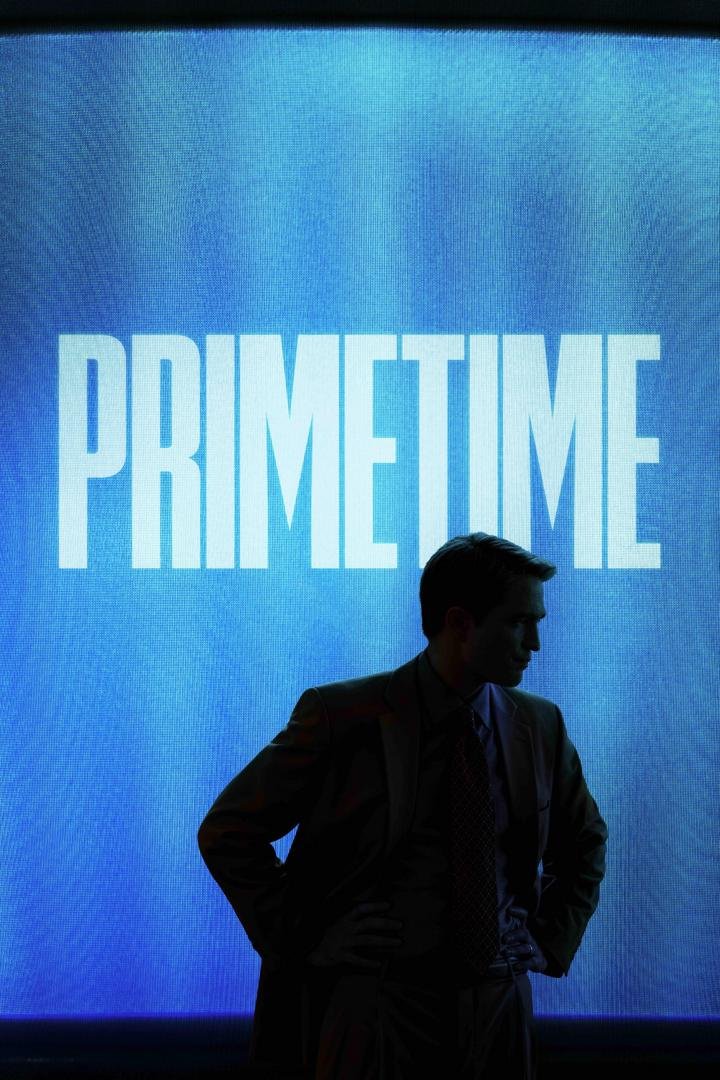
The production of a confrontation
Primetime looks behind the familiar television moment in which a host steps forward to confront a suspect. Its 2006 setting centres on Chris Hansen and To Catch a Predator, with the people producing the programme becoming the subjects of the film. The story therefore asks viewers to consider how a broadcast event is assembled before it becomes something an audience can consume.
Reporting, law enforcement, performance and ratings occupy overlapping territory in this setup. A compelling piece of television may depend on decisions that deserve scrutiny for reasons beyond their dramatic impact. Keeping those different aims separate is a useful way to follow the film without accepting a participant's professional justification as the whole explanation.
Who is on screen and who is behind it
Robert Pattinson plays Hansen, with Merritt Wever as producer Andie Bender. Skyler Gisondo and Phoebe Bridgers also appear, alongside Matt Maher. Lance Oppenheim directs a screenplay by Ajon Singh, and Pattinson is among the producers. A24 distributes the film.
The historical setting does not make every character a literal portrait of one identifiable person. Bender is described in the consulted production reporting as a composite. That is a useful reminder of the form: Primetime is a dramatisation about a real television phenomenon, with the selection, compression and character construction that dramatic storytelling can involve.
A demanding subject for a film night
The subject includes attempts to exploit minors, and the US R classification identifies disturbing sexual material, graphic nudity, violent content and language. It is better approached as an adult media drama than as a casual collection of familiar internet clips. The attraction is the opportunity to examine how an apparently straightforward public role becomes complicated behind the scenes.
A strong discussion can begin with the audience's part in the process. What makes a confrontation satisfying to watch, and what information falls outside the frame? Those questions do not require defending the suspects or dismissing the need for investigation. They concern the gap between exposing wrongdoing and turning exposure into a repeatable entertainment format.