Two timelines, two different kinds of inquiry
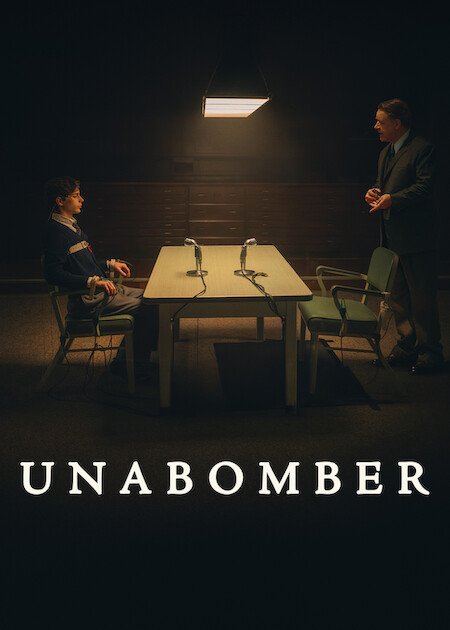
Unabomber moves between Ted Kaczynski's youth at Harvard and the later effort to identify him as the perpetrator of a bombing campaign. The earlier timeline concerns a young student and his encounters with psychologist Henry Murray. The later one follows investigators working towards a person whose identity is initially unknown to them.
Those perspectives ask different questions. One examines the experiences surrounding an individual; the other must establish responsibility for acts of violence. Placing them alongside each other creates a dramatic relationship, but viewers should distinguish that narrative arrangement from a definitive historical or psychological explanation of why the real crimes occurred. A biographical thriller necessarily selects which parts of a life to connect.
The cast and the production
Jacob Tremblay plays the young Kaczynski, Russell Crowe plays Murray and Shailene Woodley plays FBI agent Joanne Miller. Annabelle Wallis appears as Christiana Morgan, Murray's academic partner. Alexander Ludwig, Steven Ogg and Marc Menchaca are also among the cast listed by Netflix.
Janus Metz directs from a screenplay by Sam Chalsen and Nelson Greaves. Netflix's production interview describes the structure as alternating between Kaczynski's earlier years and the investigation. That is the most useful preparation for a first viewing: expect the film to move between periods rather than unfold as one uninterrupted chronological biography.
Watching a dramatisation of real violence
This is an adult crime drama about a real bombing campaign, with a US R classification. Viewers drawn to investigative stories may find the parallel timelines useful, while those mainly seeking a factual account should also consult historical reporting and records. The film's characterisation of a person should not be treated as independent evidence about them.
A worthwhile discussion can focus on the difference between understanding a background and excusing an action. Attention to the offender's development can help organise a story while also risking that victims become distant. Keeping that tension in mind offers a more careful way to discuss the film than accepting a single event as the complete cause of everything that follows.