Who gets to reveal a discovery?
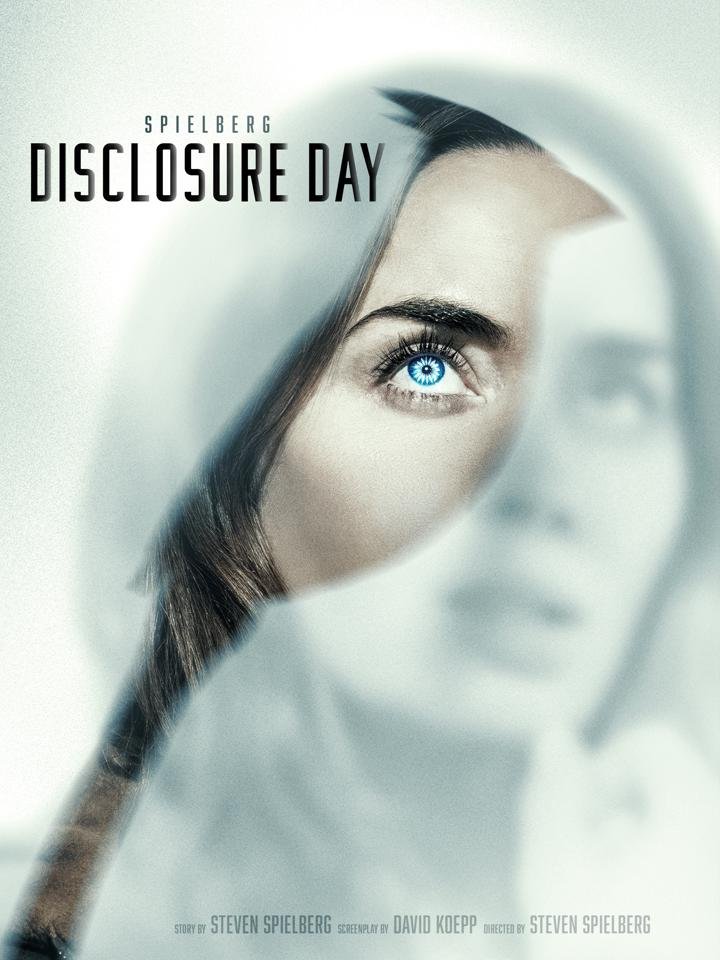
Disclosure Day takes the possibility of extraterrestrial life and makes the circulation of evidence central to the drama. The issue is not only whether a discovery has been made. It is who knows about it, who can authenticate it and who has the power to decide whether everyone else should be told.
A television weather presenter and a cybersecurity specialist give the story two different relationships with information. One works in public communication, while the other has technical knowledge of systems through which information can move. Placing those roles inside the same thriller makes public trust as relevant as secrecy. Evidence must reach an audience, but reaching people does not automatically mean being believed.
Spielberg, Koepp and the ensemble
Steven Spielberg directs and produces, with David Koepp writing the screenplay from a story by Spielberg. Emily Blunt plays Margaret Fairchild, Josh O'Connor plays Daniel Kellner, Colin Firth plays Noah Scanlon, Eve Hewson plays Jane Blankenship and Colman Domingo plays Hugo Wakefield. John Williams is credited with the score.
The cast brings the premise into several individual lives rather than presenting extraterrestrial contact only as an abstract scientific possibility. For a first viewing, those names need not become a homework exercise. The key relationship to track is between people trying to bring information into the open and people seeking to control its release.
A science-fiction choice about belief
The US PG-13 classification includes action, violence, bloody images and strong language. It is a substantial viewing commitment at roughly two hours and twenty-five minutes. Choose it when the social consequences of contact interest you as much as the possibility of seeing something extraordinary.
Afterwards, ask what kind of proof would feel convincing to different audiences. A scientist, a broadcaster and a frightened member of the public may need different explanations even when they encounter the same evidence. That question gives the premise relevance beyond extraterrestrials without requiring the film to function as a prediction about how an actual discovery would unfold.